

Hear from Our Customers
You’re dealing with headaches that won’t quit. Allergies that get worse when you’re home. A musty smell you can’t track down. Your kids are coughing more than usual, and it all seems to improve when you leave the house for a few days.
That’s not random. That’s your home trying to tell you something.
Professional mold testing tells you exactly what’s in your air and where it’s coming from. You get lab results that identify the specific mold species, the concentration levels, and whether you’re dealing with something that needs immediate attention or just normal background levels. No guessing. No wondering if that dark spot in the corner is actually a problem.
The difference between testing now and waiting shows up in your bank account later. Early detection of mold in Whitewood homes typically costs a few hundred dollars to test and maybe a couple thousand to fix. Wait until it spreads behind your walls, and you’re looking at $10,000 to $20,000 in remediation costs—plus the health issues that come with months of exposure.
You also protect your property value. Homes with documented mold problems lose 20-37% of their value. Buyers walk away. Inspections fail. Real estate deals collapse.
Testing gives you documentation for insurance claims, proof for real estate transactions, and most importantly—peace of mind that your family isn’t breathing something harmful every single day.
We keep testing separate from remediation for one reason: you deserve unbiased results. When the company testing your home is the same one selling you the fix, there’s a built-in conflict of interest. We remove that entirely.
We serve Whitewood and throughout Bucks County, where Pennsylvania’s humid climate creates perfect conditions for mold growth. The area has seen 5-10% increases in precipitation over recent years, which means more moisture problems in homes—especially in older housing stock common throughout the region.
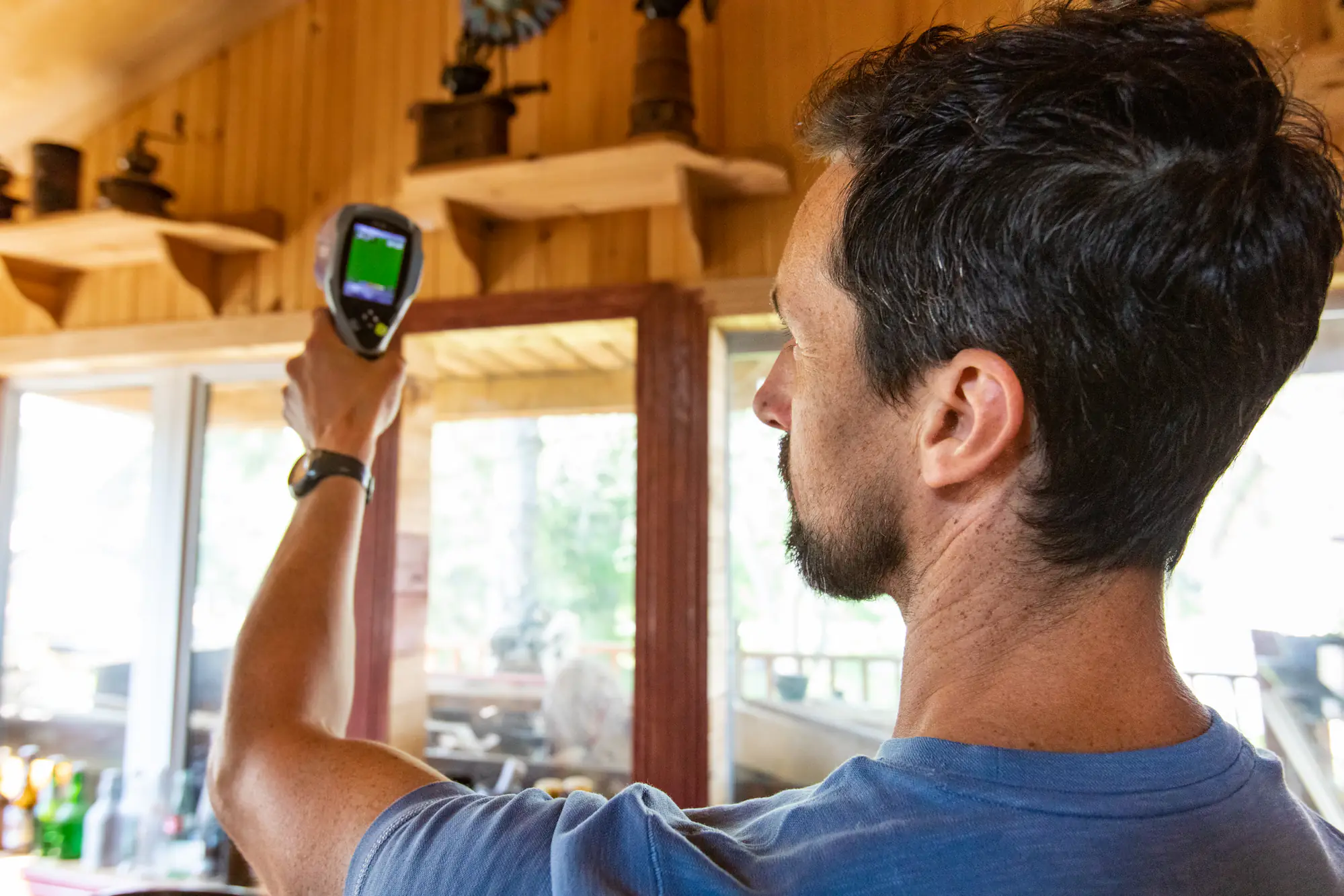
Our testing process uses certified laboratory analysis, thermal imaging cameras, and moisture detection equipment to find problems you can’t see. You get a detailed report explaining what we found, what it means for your health, and what steps make sense next. No pressure. No upselling. Just information you can actually use.
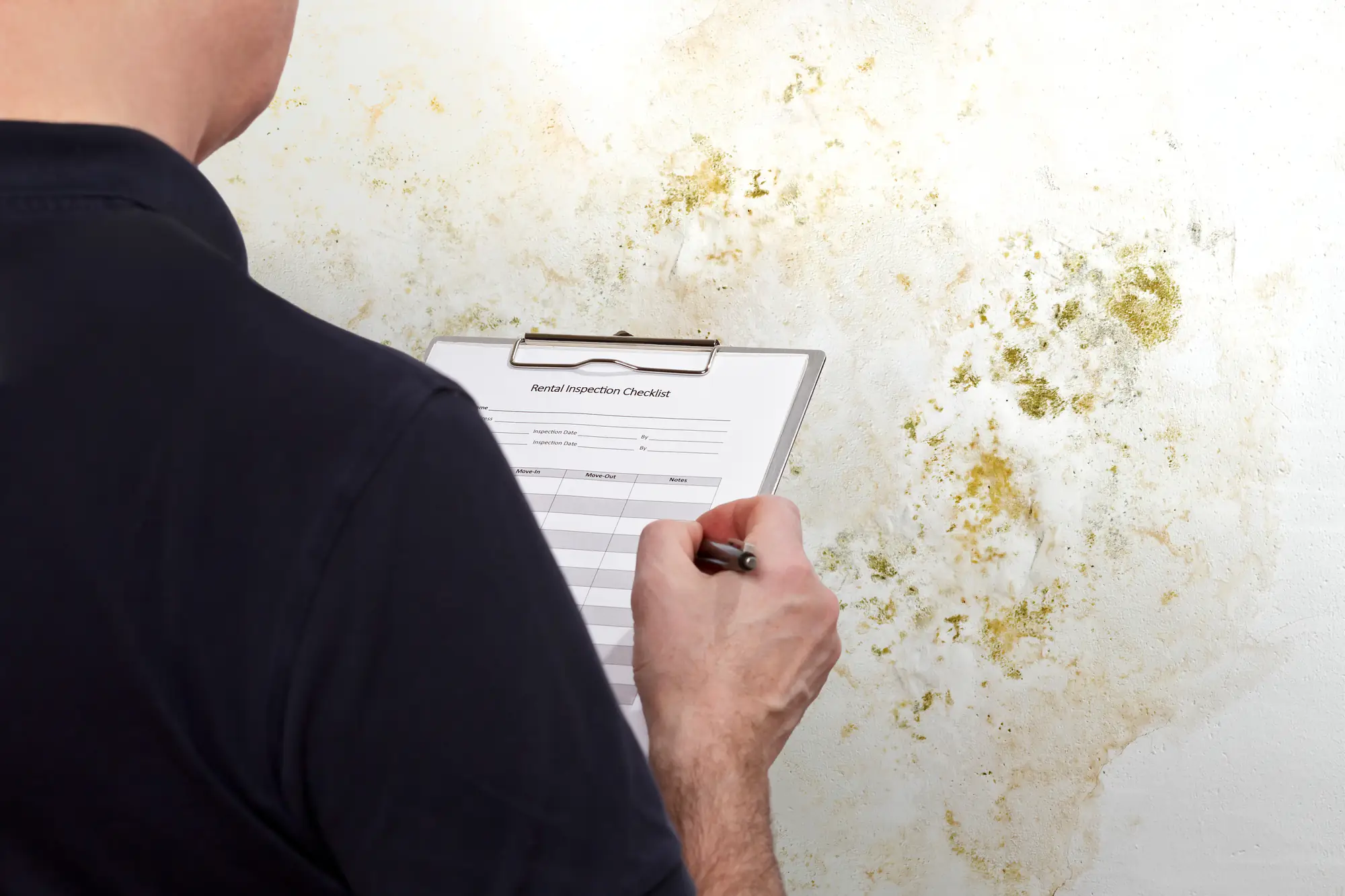
First, we walk through your home and talk about what you’re experiencing. Where do you notice odors? When did symptoms start? Have you had any water damage, leaks, or flooding? This conversation matters because it tells us where to look beyond the obvious spots.
Next comes the visual inspection. We’re checking areas where mold commonly grows in Whitewood homes—basements, crawl spaces, bathrooms, around windows, near HVAC systems. We use moisture meters to measure humidity levels in walls, ceilings, and floors. High moisture readings tell us where mold is likely growing even if we can’t see it yet.
Then we take air samples from different rooms in your home. These samples get sent to a certified lab that identifies exactly what mold species are present and at what concentration levels. We also take surface samples from any visible growth to confirm what we’re dealing with.
The lab analysis comes back in 3-5 business days for standard testing, or 24-48 hours if you need expedited results for a real estate closing. You receive a detailed report that breaks down everything in plain language—what mold species were found, whether the levels are concerning, and specific recommendations for next steps.
If the test shows elevated mold levels, we explain what remediation looks like and connect you with qualified professionals. If levels are normal, you have documentation proving your air quality is fine. Either way, you know exactly where you stand.
Ready to get started?
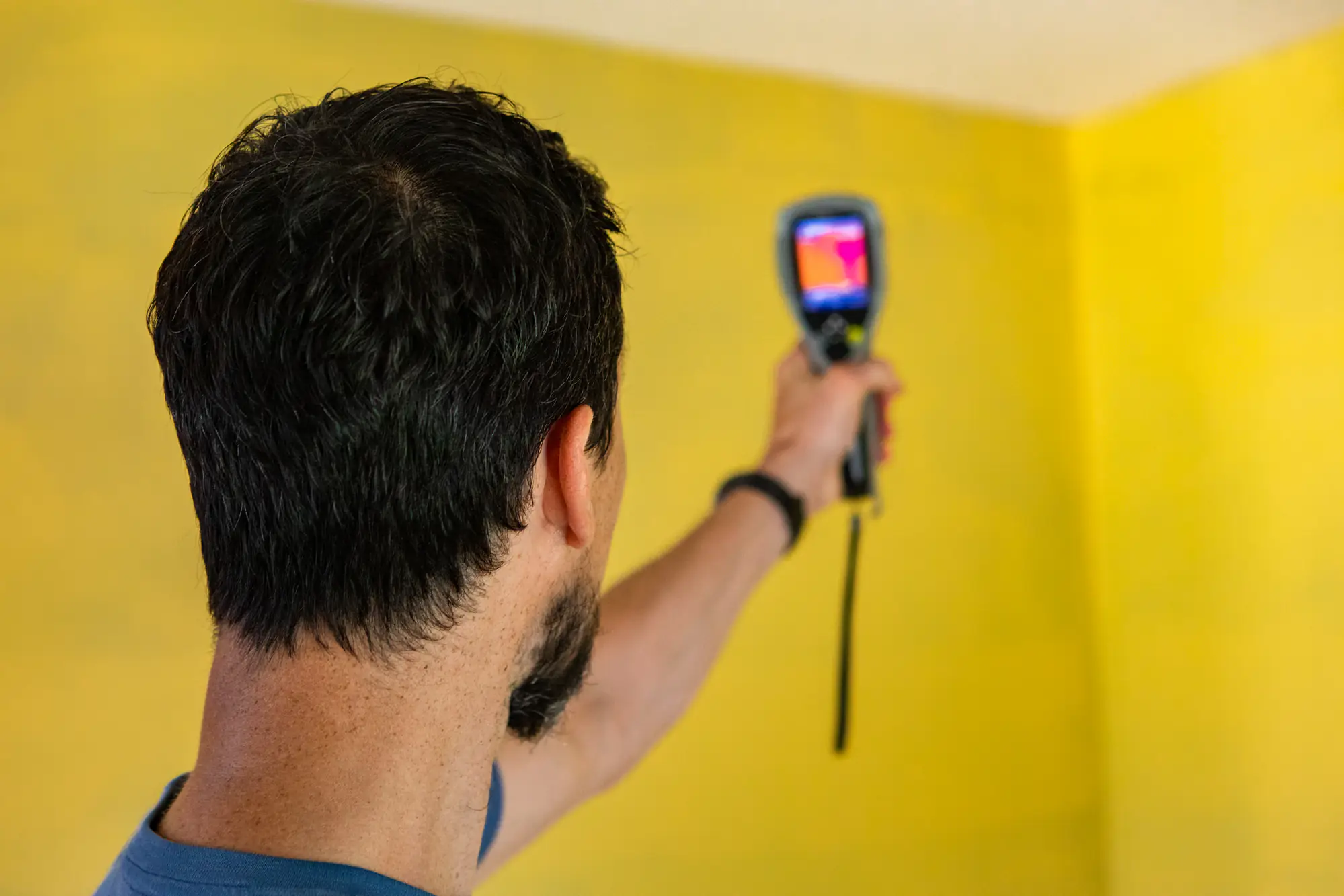
Every mold testing service includes a complete visual assessment of your property, moisture readings throughout your home using professional-grade meters, and air sampling from multiple locations to get an accurate picture of your indoor air quality. We also use thermal imaging cameras to detect temperature differences behind walls that indicate moisture problems and potential mold growth you can’t see.
You get samples sent to nationally recognized, certified laboratories that specialize in mold analysis. These labs identify specific species like Aspergillus, Penicillium, and Cladosporium—the most common types found in Pennsylvania homes. The lab report shows concentration levels measured in spores per cubic meter, which tells you whether you’re dealing with normal background levels or something that requires action.
Whitewood’s location in Bucks County means your home faces specific challenges. The humid climate, aging housing stock, and proximity to water sources create conditions where mold thrives. Basements stay damp. Crawl spaces trap moisture. Older homes lack proper ventilation. These aren’t problems you caused—they’re environmental realities of living in this area.
Your testing report includes a written summary explaining findings in language that makes sense, health implications based on the specific mold species detected, and clear recommendations for remediation if needed. You also get documentation that works for insurance claims, real estate transactions, or simply your own records. The report is yours to use however you need.
Basic mold testing in Whitewood typically starts around $350-500 for a standard residential inspection with air sampling and lab analysis. That covers a visual inspection, moisture readings, air samples from 2-3 locations, and certified lab results identifying mold species and concentration levels.
More comprehensive testing runs $500-800 if you need additional air samples from multiple rooms, surface samples from visible growth, or testing in larger homes with multiple levels and problem areas. Expedited lab results that come back in 24-48 hours instead of the standard 3-5 days add another $100-200 to the cost.
The price depends on your home’s size, how many samples you need, and how quickly you need results. Real estate transactions often require faster turnaround, which costs more. But compare that testing cost to remediation expenses—which range from $3,000 to $20,000 depending on how extensive the contamination is—and testing is the cheapest insurance you can buy. Finding a small problem early saves you thousands compared to discovering major contamination later.
A mold inspection is the visual walkthrough where we examine your property, use moisture meters, check common problem areas, and identify visible mold growth or conditions that promote mold. It’s the physical assessment of your home.
Mold testing goes further by taking actual samples—either air samples or surface samples—and sending them to a lab for analysis. The lab identifies the specific mold species present, measures concentration levels, and determines whether you’re dealing with toxic varieties like Stachybotrys (black mold) or more common types like Aspergillus and Penicillium.
You need both for a complete picture. The inspection finds where moisture problems exist and where mold is likely growing. The testing confirms what’s actually in your air and whether the levels are dangerous. Some situations only need an inspection—like when you have obvious water damage and visible mold that clearly needs remediation. But if you’re experiencing health symptoms without visible mold, or you need documentation for insurance or real estate purposes, testing with lab analysis is essential. You can’t guess about air quality when your family’s health is on the line.
The actual inspection and sample collection takes 1-2 hours depending on your home’s size and how many areas we’re testing. We’re thorough but efficient—checking your basement, crawl space, bathrooms, attic, around windows, near HVAC systems, and anywhere else you’ve noticed problems or symptoms.
After we collect samples, they go to the certified lab for analysis. Standard turnaround time is 3-5 business days from when the lab receives your samples. That’s when you get the detailed report identifying mold species and concentration levels.
If you’re in a time crunch—like a real estate closing that’s happening fast or a situation where you need immediate answers—expedited lab analysis gets you results in 24-48 hours. That costs extra but it’s available when you need it.
From the day we test your home to the day you receive your complete lab report with recommendations, you’re typically looking at one week for standard service or 2-3 days for expedited service. Then you know exactly what you’re dealing with and can make informed decisions about next steps instead of operating on guesswork and worry.
DIY mold test kits from hardware stores cost $10-50 and they’ll tell you whether mold is present—which isn’t particularly useful since mold exists in virtually every home at some level. What matters is the type of mold and the concentration levels, which those cheap kits don’t measure accurately.
Professional mold testing uses calibrated air sampling equipment that measures exactly how many spores per cubic meter are in your air. The samples go to certified labs with trained mycologists who identify specific species under microscopes and provide detailed analysis. You learn whether you’re dealing with toxic black mold, common allergenic varieties, or just normal background levels that don’t require action.
Professionals also bring thermal imaging cameras and moisture meters that detect problems behind walls, under floors, and in other hidden areas where mold grows out of sight. You might see a small patch of mold on your bathroom ceiling, but the real problem could be extensive growth inside your walls from a slow leak you don’t know about.
If you’re buying or selling a home, dealing with insurance claims, or experiencing health symptoms, you need professional testing with certified lab results. That documentation holds up legally and gives you actionable information. DIY kits just create more questions without providing real answers about what’s making you sick or whether your home is safe.
Insurance coverage for mold depends entirely on what caused the mold growth. If mold resulted from a sudden, covered event—like a burst pipe, roof leak during a storm, or appliance malfunction—most homeowners policies cover both testing and remediation. You need to show the insurance company that the mold came from a specific incident, not from long-term neglect or maintenance issues.
If mold developed from ongoing moisture problems, poor ventilation, or gradual issues you didn’t address, insurance typically won’t cover it. That’s considered a maintenance issue and your responsibility as the homeowner.
This is exactly why professional mold testing matters for insurance claims. You need documentation showing what caused the mold, when it likely started growing, and that you took reasonable steps to address the problem once you discovered it. Insurance adjusters want certified lab reports, not your best guess about what’s growing in your basement.
The testing cost itself—usually $350-800—is often worth paying out of pocket even if insurance doesn’t reimburse it, because the report either supports your claim for thousands in remediation coverage or tells you the problem isn’t serious enough to file a claim and risk your rates increasing. Either way, you have information that protects you financially. Call your insurance company before testing to understand your specific policy’s mold coverage and documentation requirements.
Mold exposure affects people differently depending on the species, concentration levels, and your individual sensitivity. The most common symptoms are respiratory issues—coughing, wheezing, difficulty breathing, throat irritation. You might notice these problems get worse when you’re home and improve when you’re away for a few days.
Allergic reactions are extremely common with mold exposure. Sneezing, runny nose, red eyes, skin rashes that won’t clear up. If you or your kids have asthma, mold makes it significantly worse. Attacks become more frequent and more severe.
Some people experience headaches, fatigue, difficulty concentrating, and general feelings of being unwell that they can’t quite explain. These symptoms are harder to connect to mold because they’re vague, but they’re real and they’re documented in medical literature about mold exposure.
Certain mold species are more dangerous than others. Stachybotrys chartarum—black mold—produces mycotoxins that can cause serious health problems with prolonged exposure. But even common varieties like Aspergillus and Penicillium trigger significant symptoms in sensitive individuals, especially children, elderly family members, and anyone with compromised immune systems.
The health risks aren’t something to panic about, but they’re not something to ignore either. If you’re experiencing unexplained symptoms that improve when you leave your home, that’s your body telling you something in your environment is wrong. Professional mold testing identifies whether mold is the culprit and gives you the information you need to protect your family’s health.
Other Services we provide in Whitewood